How to Create a Winning Listing for Medspa Practice Sales La Jolla
@juliusobwp024
September 22, 2026 · 16 min read


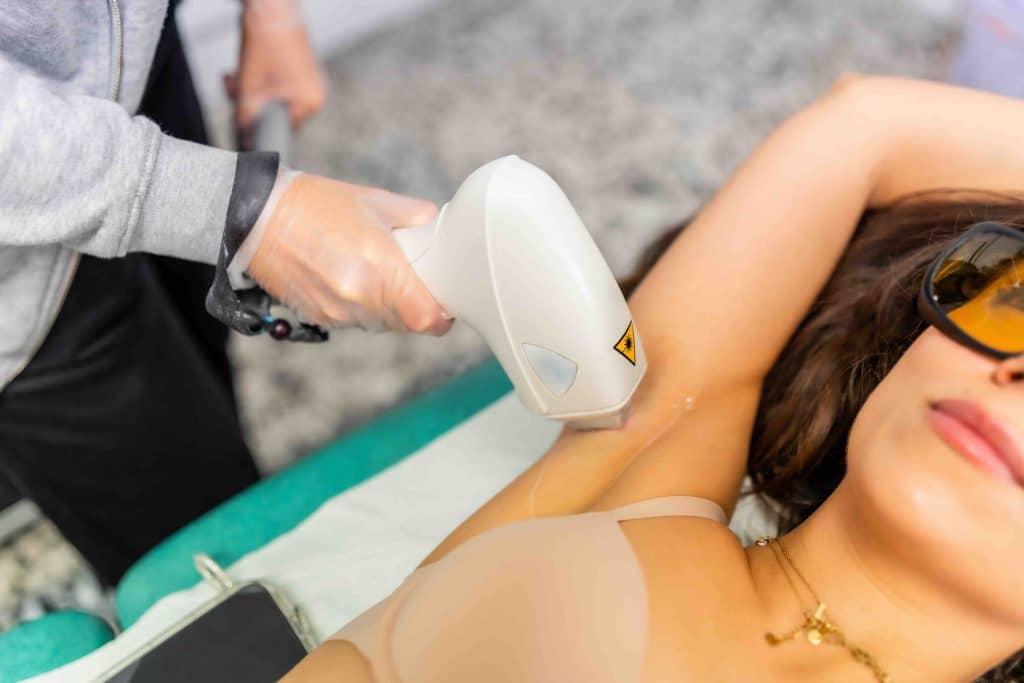
Selling a medspa in La Jolla is not the same as selling a generic small business. Buyers are not just looking at revenue and rent. They are evaluating brand equity, provider mix, treatment demand, local competition, compliance discipline, online reputation, and whether the practice can continue producing after the current owner steps away. In a market as image-conscious and affluent as La Jolla, presentation matters twice, once for patients and again for buyers.
A winning listing does more than announce that a business is available. It tells a clean, credible story about value. It answers the questions a serious buyer is already forming in the first sixty seconds. Why this practice? Why this location? Why now? What is transferable? What could improve? If the listing is vague, overhyped, or padded with meaningless descriptors like “turnkey” and “thriving,” experienced buyers tune out quickly. If it is specific, balanced, and professionally packaged, it attracts better inquiries and gives the seller more control over price and terms.
I have seen medspa listings fail for reasons Medspa Practice Sales La Jolla that had nothing to do with the actual quality of the business. The business might have had strong recurring patients, excellent margins on injectables, and a loyal staff, yet the listing led with generic claims and omitted the exact details buyers needed. On the other hand, I have seen average practices draw intense buyer interest because the listing presented the operation clearly, acknowledged the weaknesses honestly, and framed the upside in a believable way.
The listing is a sales tool, not a data dump
One of the biggest mistakes in Medspa Practice Sales La Jolla is treating the listing like a storage bin for facts. Buyers do need numbers, but numbers without context can weaken a sale instead of supporting it.
Take two examples. One listing says the medspa generated $1.4 million in annual revenue. Another says the medspa generated $1.4 million, with approximately 62 percent from injectables, 18 percent from skin treatments, 12 percent from memberships, and the rest from retail, with the top three providers retained for more than three years and over 40 percent of monthly visits coming from returning patients. The second version gives a buyer something real to evaluate. It shows case mix, predictability, and dependence, or lack of dependence, on any one revenue stream.
A strong listing should create confidence. Confidence comes from precision, proportion, and restraint. If every sentence sounds promotional, buyers assume something is being hidden. If the listing acknowledges both strengths and practical realities, it reads like it came from a professional seller who understands the market.
What La Jolla buyers care about more than sellers expect
La Jolla carries its own buyer psychology. The area draws physicians, nurses, private investors, regional medspa groups, and aesthetic entrepreneurs who want a premium coastal location with a well-heeled patient base. That sounds attractive, but sophisticated buyers also know the trade-offs. Occupancy costs are often high. Competition can be intense. Patients expect polished branding and consistent results. Staff quality matters enormously because one weak injector review can ripple through patient acquisition.
Because of that, buyers in this submarket usually focus on a few practical questions. They want to know whether the brand is truly local and referral-driven or whether recent revenue came mostly from discount platforms, short-term ad spending, or one exceptionally productive owner. They want to know whether the practice has pricing power. They want to know whether treatment rooms are used efficiently or if the space looks expensive but underutilized.
This is where many listings for Medspa Practice Sales La Jolla miss the mark. They lean too hard on the address and not enough on the operating mechanics. A La Jolla ZIP code is a plus, but it is not the whole story. Buyers pay for sustainable earnings, not scenery.
Start with the right headline and opening summary
The opening lines should do heavy lifting. A buyer scanning multiple opportunities should understand, almost immediately, the scale of the practice, who it serves, and what makes it attractive.
A weak opening might say: “Beautiful medspa for sale in prime location with loyal clientele.”
A stronger opening might say: “Established La Jolla medspa with diversified aesthetic revenue, strong repeat-patient base, premium street presence, and room to expand provider capacity in a high-income coastal market.”
Notice the difference. The second version hints at revenue quality, patient retention, branding position, and growth capacity. It still reads cleanly, but it tells a sharper story.
After the headline and summary, your listing should move naturally into operating details. Not every buyer needs every figure in the public-facing ad, especially where confidentiality matters, but the summary should make clear whether the business is small and owner-centric or established and scalable.
Frame the business around transferability
Transferability often determines whether a medspa sells smoothly or stalls in diligence. Buyers know that attractive revenue can evaporate if the current owner is the brand, the sole injector, the lead marketer, and the only person who understands the systems.
A winning listing addresses this early. If the owner still treats patients, explain how much of revenue depends directly on owner production and what transition support is available. If the owner is already more administrative, say so clearly. If nurse injectors, aestheticians, or a medical director are central to continuity, describe the staffing structure in practical terms.
This does not require disclosing sensitive names in the initial listing. It does require honesty. Buyers can spot owner dependence quickly once they review production reports, schedules, and payroll. Better to shape expectations up front than lose momentum later.
One listing I reviewed for a coastal California medspa buried the fact that the owner personally generated nearly 55 percent of collections. The seller believed this would scare people away. In fact, hiding it did far more damage. Once buyers discovered the concentration risk, they questioned every other claim in the package. Had the listing simply explained that the owner would stay for a measured handoff and that two injectors were already growing into fuller books, the discussion would have remained productive.
The financial story has to be believable
Every medspa seller wants the business to be valued on its best year, its best month, or its best strategic potential. Buyers, especially experienced ones, value the business on adjusted earnings they believe they can actually inherit.
That means your listing should present finances in a way that is credible and easy to follow. Revenue growth helps, but consistency helps more. A business that grew from $900,000 to $1.1 million to $1.25 million over three years often attracts stronger bids than a business that swung from $800,000 to $1.4 million back to $1.0 million. Stability reduces perceived risk.
The listing should also make sensible distinctions between top-line sales and seller benefit. If there are obvious owner add-backs, such as personal auto expenses, excess travel, one-time buildout consulting, or above-market family payroll, the materials should identify them carefully. Stretching add-backs too aggressively is one of the quickest ways to lose buyer trust. Reasonable adjustments invite scrutiny. Inflated adjustments invite skepticism.
If exact figures cannot be shared publicly, your listing can still communicate the range and quality of performance. Words like “mid-six-figure seller’s discretionary earnings” or “healthy multi-provider margin profile” can work if they are backed by real financials in the confidential package.
Buyers want proof that demand is durable
A medspa can look busy and still be fragile. What matters is whether demand repeats. Repeat purchase behavior matters in aesthetics because the strongest businesses do not rebuild their schedule from scratch every month. They maintain a base of patients who return for injectables, skin maintenance, memberships, and treatment plans.
Your listing should show how the practice holds onto patients. Mention active membership count if meaningful. Mention average monthly returning-patient percentage if tracked. Mention online review volume and rating if strong and current. Mention referral patterns if the business receives a significant portion of new bookings from existing patients or nearby physicians.
This is also the place to be specific about service mix. Buyers look differently at a medspa that depends almost entirely on neurotoxins than one with balanced demand across injectables, laser, skin rejuvenation, body contouring, and recurring retail or membership revenue. There is no perfect mix, but concentration should be disclosed and explained.
For example, a practice with 70 percent of revenue from injectables may still be very attractive if those injections are spread across multiple providers with strong rebooking rates and premium pricing. The same concentration becomes a risk if one provider handles nearly all of it.
Equipment should support the value story, not carry it
Sellers often overestimate how much equipment drives valuation. Good devices matter, especially in aesthetic medicine, but buyers rarely pay top dollar simply because a practice has expensive machines. They care whether the equipment is relevant, well-maintained, fully owned or financeable, and actively producing revenue.
If the medspa has a leading laser platform, RF microneedling device, or body contouring technology, the listing should connect it to actual demand. If a device generated strong revenue over the last twelve months, say so. If a machine is newer and underutilized, frame it as real upside, but do not pretend it already performs at full capacity.
This is where experience matters. A listing that says “state-of-the-art equipment included” says almost nothing. A better version might note that the practice owns a curated set of aesthetic devices that support high-frequency facial and skin rejuvenation services, with room to expand provider scheduling and marketing around underpromoted treatments. That tells a buyer both what exists and what has not been fully monetized.
Present the location with commercial realism
La Jolla location absolutely matters, but sophisticated buyers want more than “great area.” They want to know whether the site works as a business. Is there parking? Is the frontage visible? How many treatment rooms are there? Is the rent in line with current collections? How long is left on the lease? Are there options to extend? Was the space built specifically for aesthetics or adapted from a general medical office?
If the physical layout is efficient, describe it. A compact, high-performing medspa with three treatment rooms and strong booking density can be more attractive than a larger, Medspa Practice Sales La Jolla beautiful space that struggles to cover occupancy costs. A polished reception area and strong retail display help, but workflow matters just as much. Buyers notice whether rooms are oversized but idle, whether sterile storage is sensible, whether consultation flow supports higher conversion, and whether the design matches the brand’s price point.
A good listing lets buyers picture daily operations in the space, not just the decor.
Confidentiality and clarity need to coexist
Some sellers become so protective about confidentiality that their listing says almost nothing. Others disclose too much too early and unsettle staff or patients before the process is controlled. The right approach is a layered one. The initial listing should reveal enough to attract qualified interest while withholding identifying details until buyers sign a nondisclosure agreement and show credibility.
In practice, that means the public version can share broad performance, service mix, staffing structure, and growth themes without naming providers, the exact street address, or proprietary marketing data. Once a buyer is vetted, the confidential information memorandum can provide deeper financials, room count, scheduling data, lease specifics, and the fuller transition picture.
This middle path tends to work best in Medspa Practice Sales La Jolla because the market is both tight-knit and competitive. Staff hears things. Competitors watch each other. Patients are highly review-driven. Careless exposure can create avoidable turbulence.
The materials behind the listing matter almost as much as the listing itself
A polished listing gets attention, but the follow-up package is what keeps momentum alive. Serious buyers quickly move beyond the teaser and start testing whether the business is as organized operationally as it appears on paper. If the backup documentation is messy, late, or contradictory, confidence drops fast.
The strongest sale processes usually have these materials ready before the listing goes live:
- Profit and loss statements for at least the last three years, plus year-to-date results
- Production or revenue by service line, with enough detail to show concentration and trends
- Staffing overview, including roles, tenure, compensation structure, and provider dependence
- Lease summary with term, renewal options, rent escalations, and assignment terms
- Equipment schedule noting ownership, financing status, age, and current use
That is not busywork. It is deal support. Buyers who receive organized information early tend to move faster, make cleaner offers, and spend less time looking for reasons to discount.
Write with enough detail to filter out the wrong buyers
Not every inquiry is worth pursuing. A winning listing helps screen out casual shoppers and attracts people who understand the category. One way to do that is by using the right level of specificity. Mentioning recurring membership income, injector-led production, room utilization, and premium service positioning signals that the seller or broker understands how medspas are actually valued.
Vagueness invites noise. Clarity invites fit.
For example, if the medspa is best suited for a physician-buyer seeking a prestige coastal foothold, say that in refined terms. If the practice would also suit a regional aesthetic group looking to add a La Jolla location with immediate brand lift, say that. You are not limiting the buyer pool by doing this. You are helping the right buyers recognize themselves.
Growth upside should be concrete, not imaginary
Every listing mentions upside. Most do it poorly. Buyers discount generic growth language because they see it in every deal. “Huge potential” means nothing. “Could increase marketing” means even less.
Real upside is tied to identifiable gaps between current performance and plausible future performance. Maybe the practice closes on Fridays despite strong local demand. Maybe one treatment room is only used two days per week. Maybe memberships are underdeveloped. Maybe retail attachment rates lag behind peer practices. Maybe the business has excellent organic reviews but minimal physician referral outreach. Maybe the owner never invested consistently in paid search because the schedule stayed full enough without it.
That kind of upside is believable because it is operational, not fantasy. The best listings explain not just that there is room to grow, but why that room exists and what kind of buyer is best positioned to capture it.
I once saw a listing claim that revenue could “double rapidly” with more social media activity. No serious buyer believed that. Social media can help, but revenue doubling in a medspa almost always requires multiple moving parts, provider capacity, scheduling discipline, marketing spend, retention systems, and often expanded compliance and management structure. Exaggeration weakens the whole presentation.
Tone matters more than sellers think
There is a subtle but important difference between confidence and hype. Professional buyers react well to a listing that sounds like it came from someone with command of the business. They react poorly to language that feels inflated, defensive, or evasive.
A winning listing uses measured language. It can say the practice is well-established, premium-positioned, highly reviewed, or consistently profitable, if those claims are true. It should avoid breathless language like “once-in-a-lifetime opportunity” unless the goal is to attract unserious interest.
When I review sale packages, I often remove the loudest adjectives and replace them with facts. Facts are more persuasive. “Average monthly collections have remained above six figures for the last twelve months” beats “exceptional income opportunity.” “Long-tenured provider team and favorable patient retention patterns” beats “unmatched practice.” Buyers would rather infer greatness than be told to admire it.
Common listing mistakes that lower offers
Some errors do more damage than others. A few are especially common in medspa sales, and they tend to reduce leverage quickly once buyers start diligence.
- Overstating profitability by using aggressive add-backs that do not survive scrutiny
- Hiding owner dependence or provider concentration until late in the process
- Leaning on expensive equipment as a substitute for showing durable patient demand
- Describing upside in generic terms without linking it to actual operational gaps
- Ignoring lease quality, occupancy cost, or assignment hurdles in a high-rent market
None of these mistakes is fatal by itself. The problem is cumulative. Once buyers sense one area is being stretched, they begin to question everything else, including the asking price.
Pricing and listing quality are closely linked
A strong listing cannot rescue a wildly unrealistic price, but it can support a premium within the defensible range. Buyers pay more when they understand exactly what they are buying and why the earnings will transfer. They also pay more when a listing gives them confidence that the seller is organized, reasonable, and prepared for diligence.
That matters in La Jolla, where some sellers assume the prestige of the area automatically adds value. Sometimes it does. Sometimes it simply raises expectations. A beautiful medspa in a premium ZIP code with weak systems and high occupancy cost may trade below the owner’s hopes. A smaller but disciplined operation with stable providers, good margins, and a sensible lease may command far stronger interest.
The listing is where that value gap starts to close. It sets the frame for every buyer conversation that follows.
The final test of a winning listing
A good litmus test is simple. After reading the listing, could a serious buyer answer three core questions with reasonable confidence? First, what kind of medspa is this and how does it make money? Second, why is it attractive in its current form? Third, what risks or limitations come with it?
If the answer to all three is yes, the listing is probably doing its job. If the answer is fuzzy, the listing likely needs sharper language, cleaner numbers, or a more honest treatment of the operating reality.
For Medspa Practice Sales La Jolla, the best listings respect the intelligence of the buyer. They do not hide the complexities of provider reliance, lease economics, or service concentration. They present them in a way that is manageable, contextualized, and professionally framed. That approach tends to draw better buyers, protect price, and shorten the path from interest to offer.
A medspa sale is rarely won by the listing alone. But a poor listing can lose the sale before the real conversation even begins. A strong one opens the door with credibility, keeps the seller in control of the narrative, and gives qualified buyers a reason to lean in rather than move on.
Aesthetic Brokers
Address: 800 Silverado St #301A, La Jolla, CA 92037
Phone number: +16197420310
FAQ About Medspa Practice Sales La Jolla
How much does the average MedSpa owner make?
The average medspa owner makes between $300,000 and $375,000 per year according to benchmarks from the American Med Spa Association (AmSpa). However, depending on the business structure and location, total compensation typically ranges from $150,000 to over $500,000 annually.
What is the failure rate of medical spas?
Approximately 60% of new medical spas shut down within their first 18 months of operation.
How much can I sell my med spa for?
Most single-location medical spas sell for 4.0x to 7.0x adjusted EBITDA (Earnings Before Interest, Taxes, Depreciation, and Amortization), which typically translates to overall valuations ranging from $800,000 to over $3.5 million depending on your net profit and business size.